FluentaOne

CASE STUDY / B2B SAAS

FluentaOne

Translating a complex B2B platform into customer value


GO-TO-MARKET · PRODUCT MARKETING · B2B CONTENT STRATEGY · SAAS
FluentaOne expanded an established procurement and workflow platform into a broader enterprise solution combining processes, collaboration, automation and AI. My role was to help translate that complexity into communication built around recognisable customer problems, distinct audiences and industry-specific value.

01 / Context

A product evolution created a communication problem.

One platform had to make sense across multiple industries, roles and levels of technical understanding.

Fluenta had been on the market for decades with modular workflow and procurement management software. With FluentaOne, the company set out to extend that expertise into the broader field of enterprise workflow management — connecting processes, communication, stakeholders, automation and AI within one platform.That evolution created a new communication challenge. We needed to explain tangible business value without reducing the product to a catalogue of technical capabilities, while making the same platform relevant to everyone from C-level decision-makers to managers and everyday users.


PRODUCT

Enterprise workflow, collaboration and automation brought together within a broader integrated platform.

MARKET

Communication had to work across sectors including pharmaceuticals, energy, telecommunications, defence and finance.

AUDIENCE

Different stakeholders experienced the same product through very different problems, priorities and definitions of value.

MY ROLE


Research, messaging and execution across the go-to-market system

As a Marketing Specialist, I worked across research, messaging, content strategy and campaign execution supporting the FluentaOne go-to-market effort.I also collaborated with Sales to understand the language prospects used, the objections they encountered and the operational problems emerging in customer conversations. These insights helped connect product capabilities with customer problems and shape communication around value rather than features.

CORE RESPONSIBILITIES

02 / Approach

Start with the problem, not the feature

Rather than communicating FluentaOne as a catalogue of software capabilities, I worked backwards from customer problems and desired outcomes. The task was to identify the friction first, connect it to the right product capability, and then express the value in language customers would actually recognise.


Customer Problem


What is creating friction, delay, uncertainty or unnecessary manual work?

Desired Outcome


What does the customer actually want to achieve in practical business terms?

Relevant Capability


Which part of FluentaOne can meaningfully help produce that outcome?

Message


How do we translate that capability into a clear, relevant customer benefit?

03 / AUDIENCE ARCHITECTURE

One product, different use cases

Enterprise software has to create value across multiple levels of an organisation, even though those stakeholders experience that value very differently. We therefore structured communication around the priorities of each role.


End User

Pain points: friction, repetitive work, difficult systems and lost information.
Communication focus: ease of use, transparency, reduced administration and clearer responsibility.

Manager

pain points: silos, bottlenecks and unclear ownership.
Communication focus: process visibility, accountability and stronger cross-functional coordination.

Decision-Maker

Pain points: cost, efficiency and return on investment.
Communication focus: ROI, operational efficiency, risk reduction and competitive advantage.

04 / Vertical-Specific Communication


Building relevance industry by industry
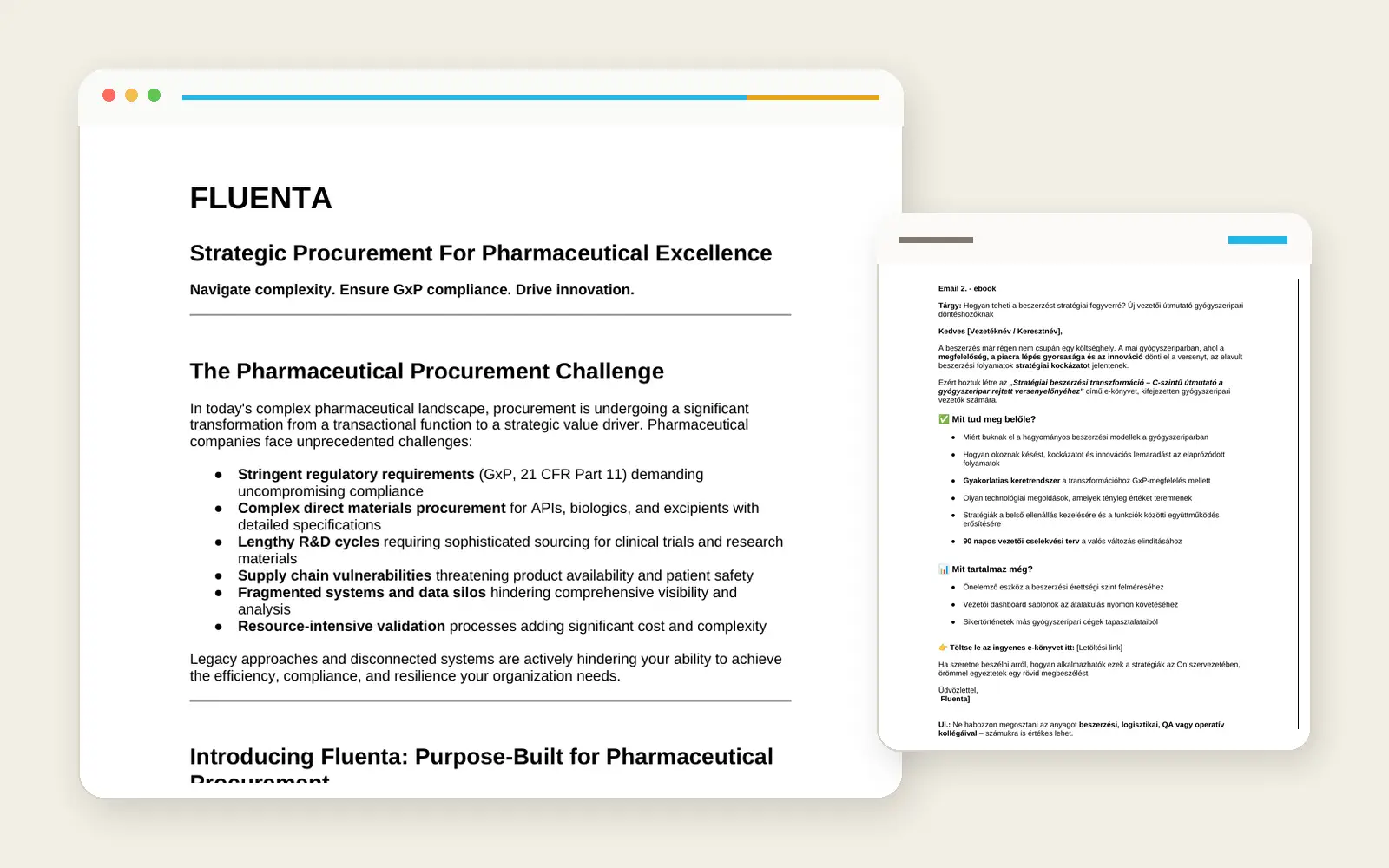
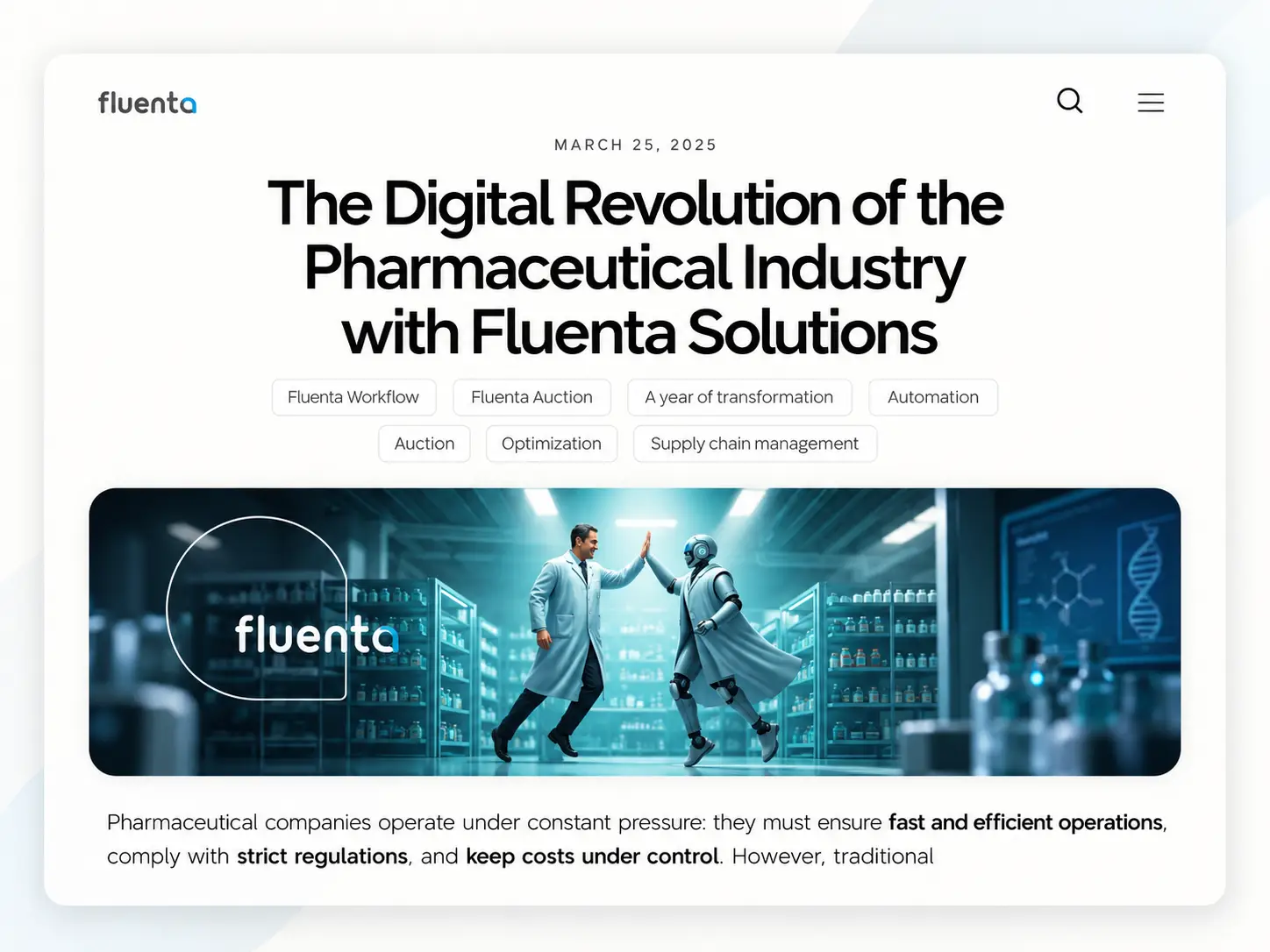
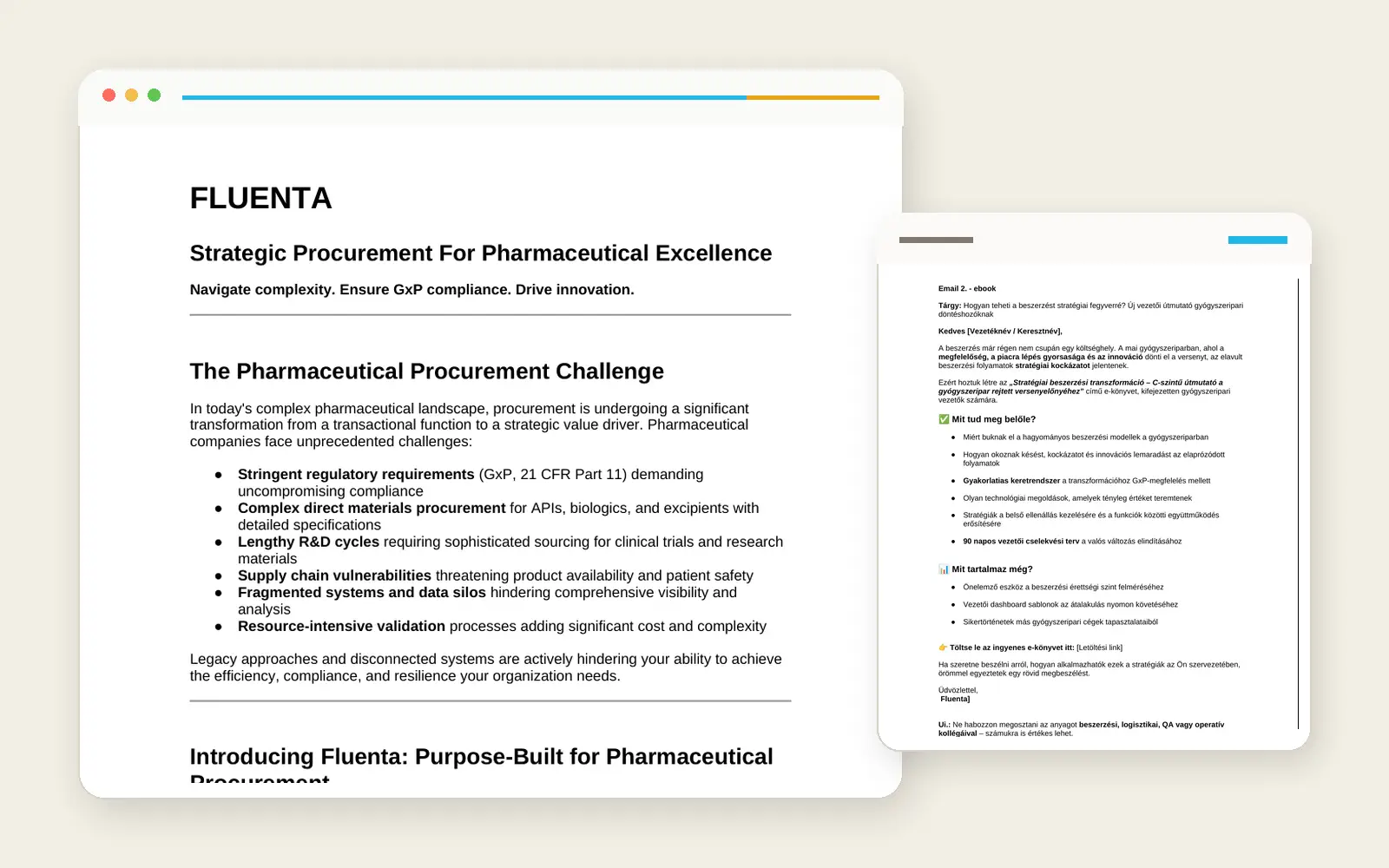
Rather than treating every industry as interchangeable, I researched the terminology, operational challenges and buying considerations of target sectors including pharmaceuticals, energy, telecommunications and technology.Secondary research was combined with insights from Sales to identify the problems, language and objections that mattered in each market. The goal was to translate the same underlying product into use cases that felt specific rather than generic.

FIG 01. Vertical-Specific Landing Page Framework (Editorial Layout)

06 / Authority & Thought Leadership


Building authority through people, not only the corporate brand
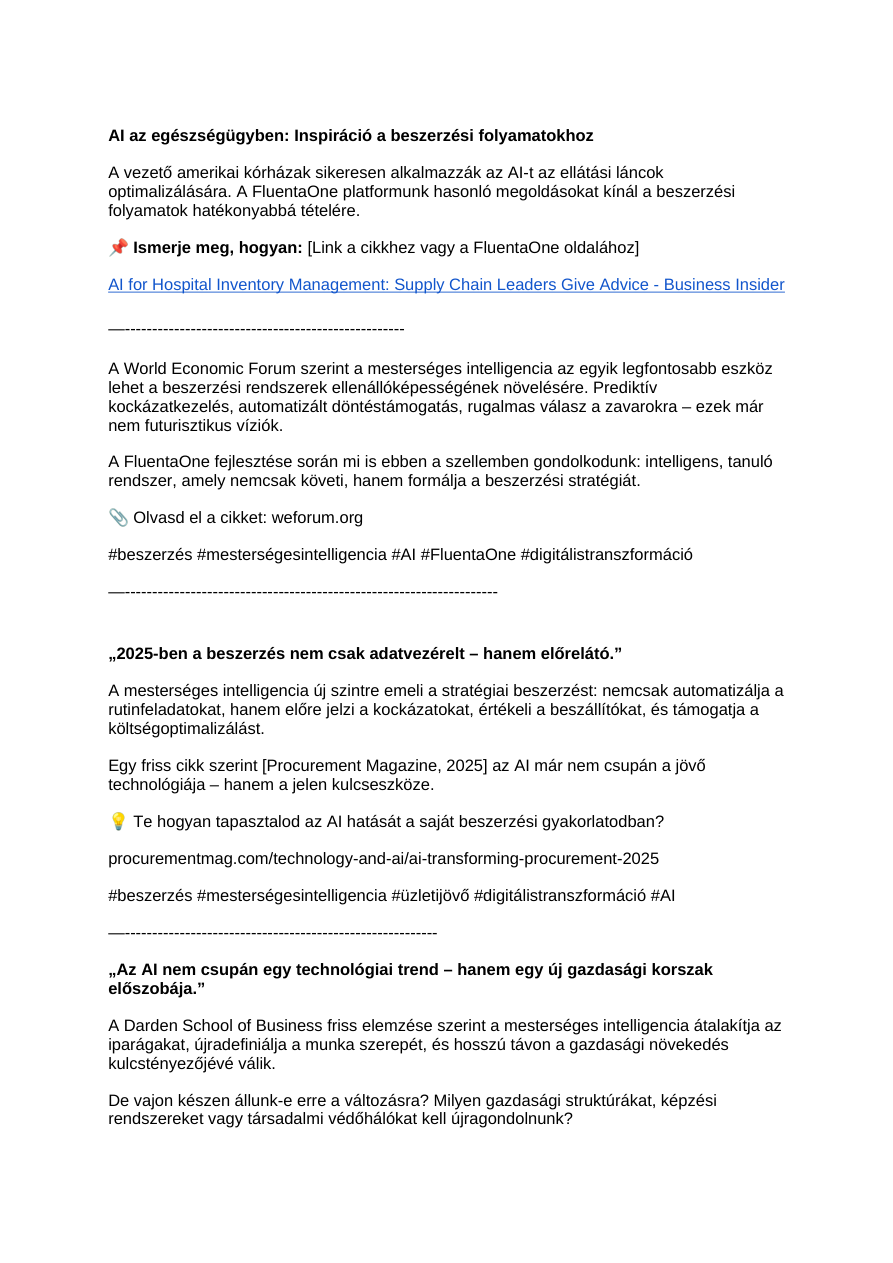
Another part of the strategy was developing a stronger personal LinkedIn presence around company leadership.Rather than simply reposting corporate announcements, I developed recurring thought-leadership concepts connecting developments in AI, procurement and digital transformation with Fluenta’s expertise and the leadership team’s point of view.The aim was to make expertise visible through recognisable people and recurring ideas: the company page could remain the centre of corporate communication, while individual leaders could give the brand a more human and authoritative voice.

07 / LEAD GENERATION

Turning expertise into lead-generation assets

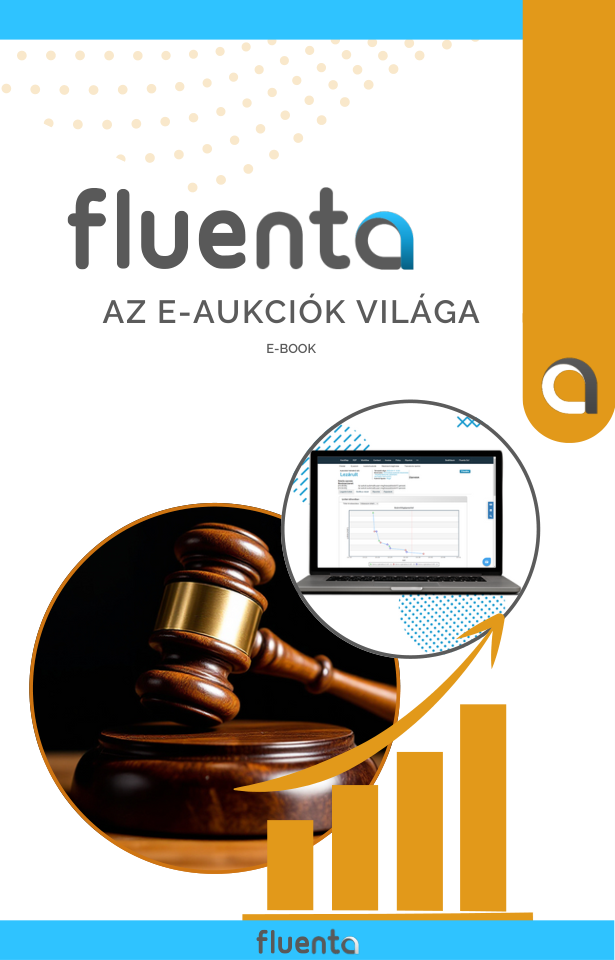
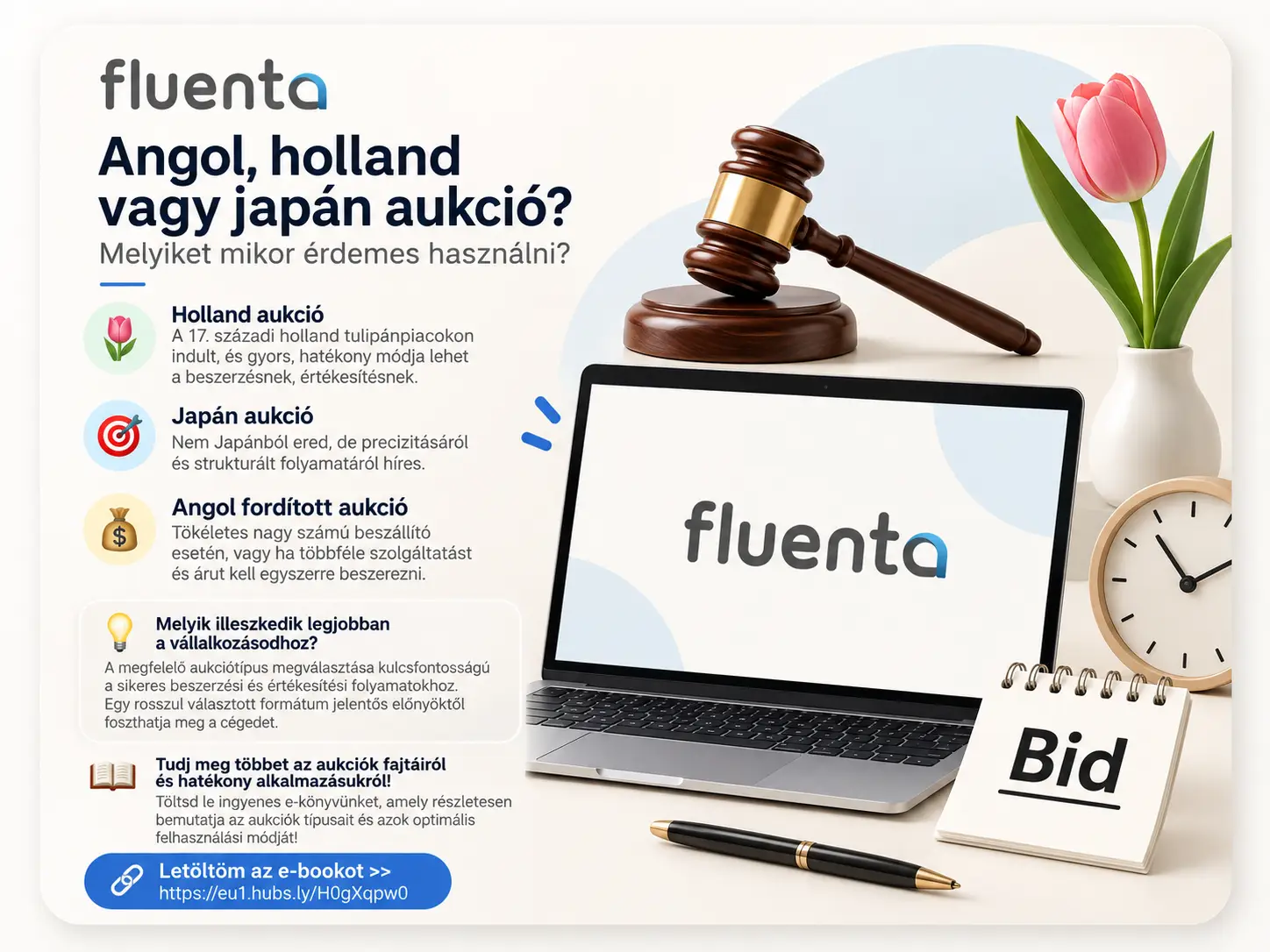
Not every piece of content needed to sell immediately. Educational assets could provide genuine value first, while creating a deeper entry point into the marketing funnel.One example was a comprehensive Fluenta Auction e-book covering electronic auctions, auction formats, implementation, Fluenta solutions and customer examples. It gave campaigns something more substantial to offer than a conventional product advertisement.

08 / Execution

The strategic principles had to survive at execution level. I developed and contributed to website copy, landing pages, email sequences, social content and campaign materials across product education, industry insights and customer communication.Where dedicated design resources were limited, I also developed AI-assisted visual concepts to support campaign production.


01 / Customer Success

Turning continued product use into a credible customer story.

02 / Social Communication

Translating product and industry themes into concise social-first communication.

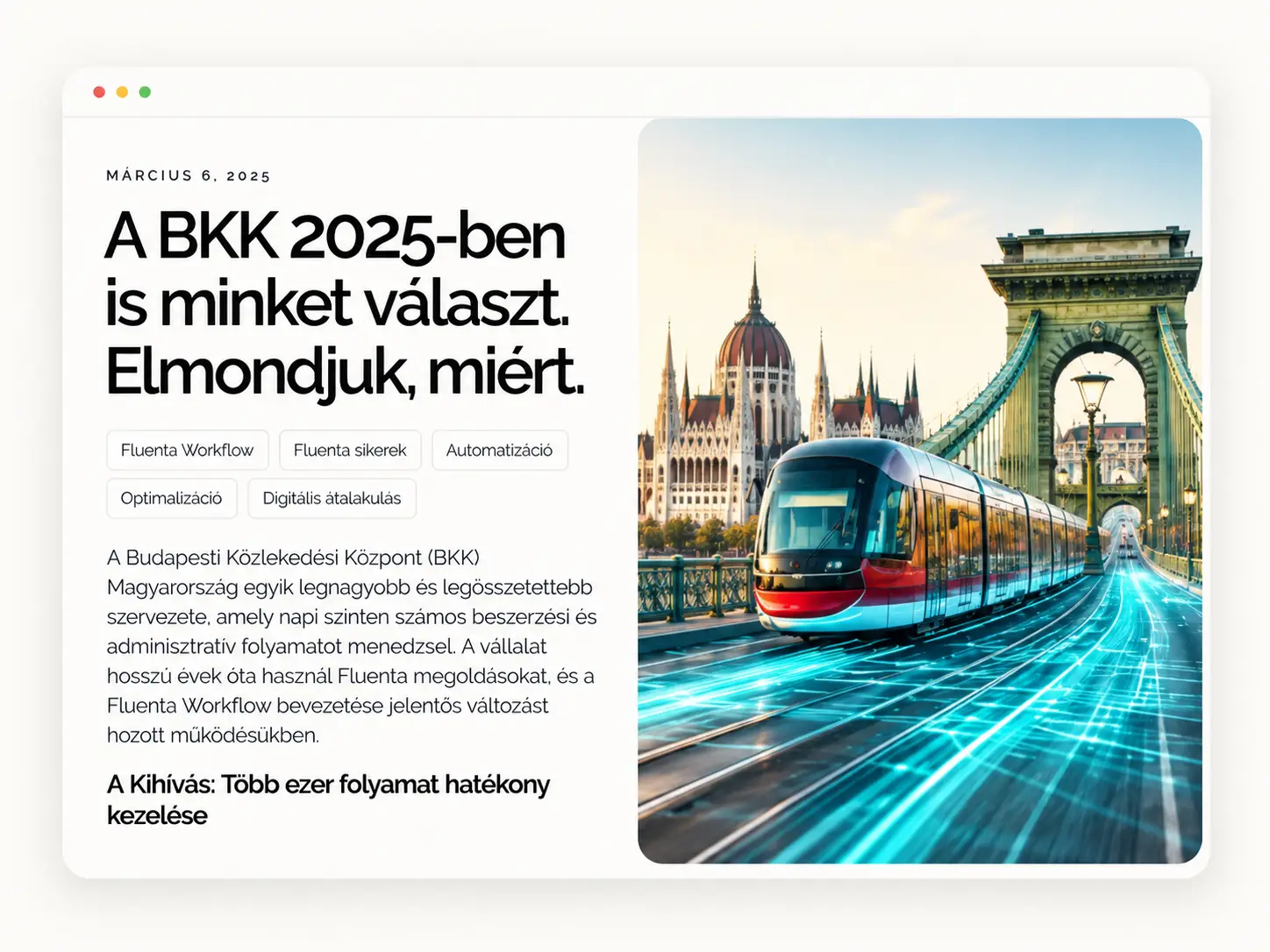
03 / Educational Campaigns

Using educational content to create a more valuable route into product communication.

04 / Industry Content

Connecting Fluenta’s capabilities with specific industry problems and contexts.

09 / OUTCOME

A communication system built around customer value.

The work created a more structured way to communicate a complex enterprise platform across industries, stakeholders and stages of the buying journey. Product capabilities could be translated into customer problems, vertical-specific narratives, thought leadership, educational assets, landing-page copy, social communication and sales-enablement materials within one coherent system.


01

Value-Based Messaging

Moving communication away from feature lists towards recognisable customer problems and outcomes.

02

Audience Structure

Adapting the same platform story to end users, managers and decision-makers.

03

Vertical Relevance

Connecting product capabilities with the terminology, priorities and operational realities of different industries.

04

Content System

Linking thought leadership, educational content, campaigns and sales enablement across the customer journey.

What I Took From It

KEY TAKEAWAY

Even when a product is complex, its communication has to remain digestible and relevant.The same technology can mean less frustration to an end user, greater control to a manager and stronger ROI to an executive. Good product marketing is finding the value that connects all three.


NEXT PROJECT