Progressive Advertising Agency

CASE STUDY // AGENCY WORK

Progressive Advertising Agency

Turning commercial priorities into social-first creative ideas.

During my time as Social Media Manager at Progressive, I worked across a diverse portfolio of consumer brands including Maggi, Reál, Budapest Airport and brands within the Navigate portfolio such as Garmin, Sarki Róka and BikeXpert.Creative production was collaborative. My contribution focused on concepts, themes, creative direction, briefing and coordination — turning commercial priorities into communication audiences might actually want to engage with.

00 / CONTEXT & CHALLENGE

Aligning creativity with perspectives

Each account came with its own identity, audience and commercial agenda. Clients also had monthly priorities — often specific products that needed communication — while stock availability and campaign timing placed practical limits on what could be promoted.The challenge was to serve those commercial requirements without reducing social communication to a catalogue of disconnected product advertisements.

01

DIFFERENT BRAND LANGUAGES

Garmin, Sarki Róka, Maggi and other accounts required completely different tones, visual worlds and audience contexts.

02

COMMERCIAL PRIORITIES

Monthly briefs often specified products or categories that needed additional communication, so creative ideas had to begin with a real business requirement.

03

PRODUCT AVAILABILITY

There was little value in generating demand for products customers could not actually buy. Stock and availability had to remain part of the creative decision.

04

COMMERCIAL CONSTRAINTS

The task was to find a context, story or format that made those commercial priorities feel natural to the brand and worthwhile to the audience.

“What can this brand say that people might actually want to see?”

My Role

From client priority to creative concept

As Social Media Manager, I developed content concepts and creative directions based on client priorities, available products and the established identity of each brand.For individual posts, I generally developed the central idea, topic and creative approach, then worked with copywriters and graphic designers who translated those concepts into finished copy and visual assets. Account management maintained alignment with the client.

CREATIVE PROCESS

Working across multiple accounts meant learning not to confuse consistency with sameness. The outputs could look completely different, while still following the same strategic reasoning.

01


Commercial Priority

What does the client actually need to communicate — a product, promotion, category or campaign objective?

02


Brand Identity

What makes this brand recognisable, and what kind of communication naturally belongs in its world?

03


Audience Context

Why should the audience care, and what situation, interest or need makes the commercial priority relevant?

04


Creative Idea

What concept, story or format makes the connection between business need, brand and audience visible?

PRODUCT STORYTELLING

Finding the story inside the product


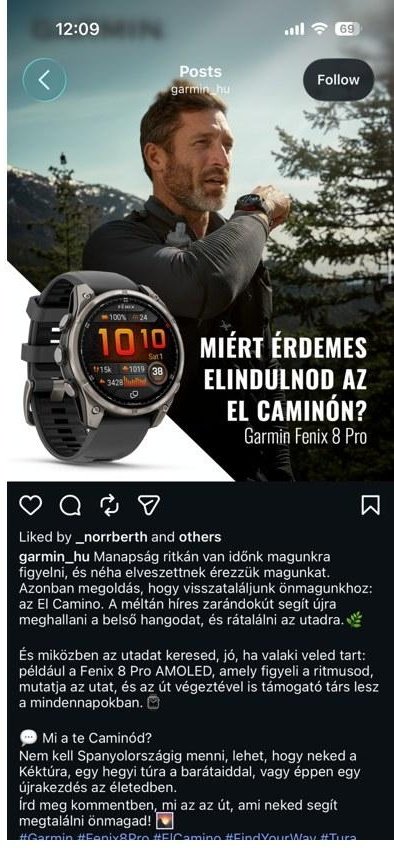
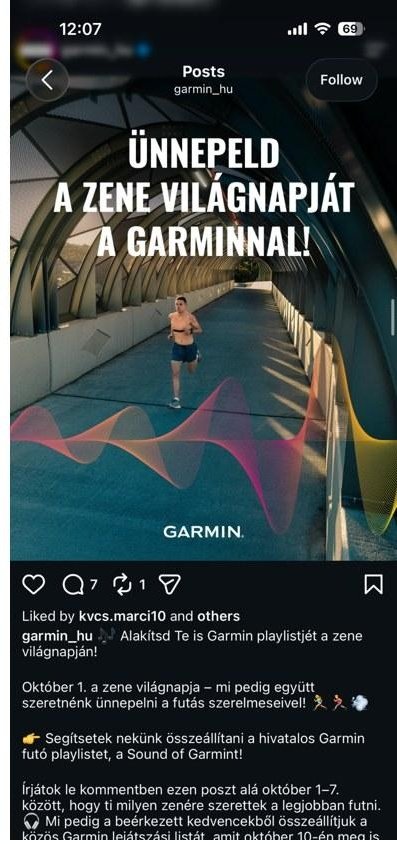
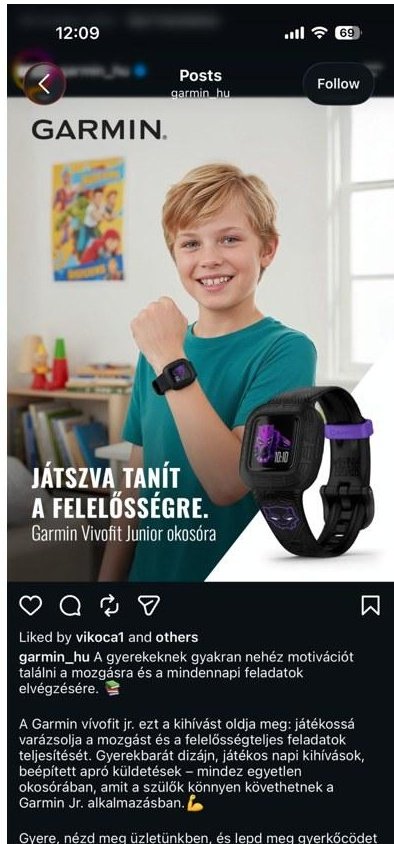
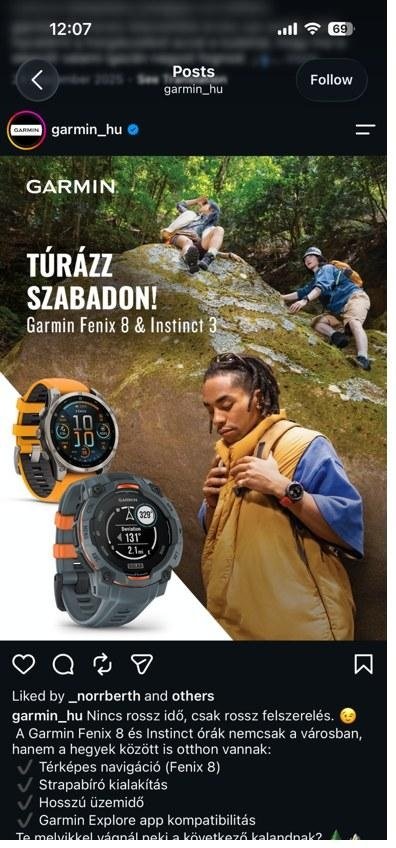
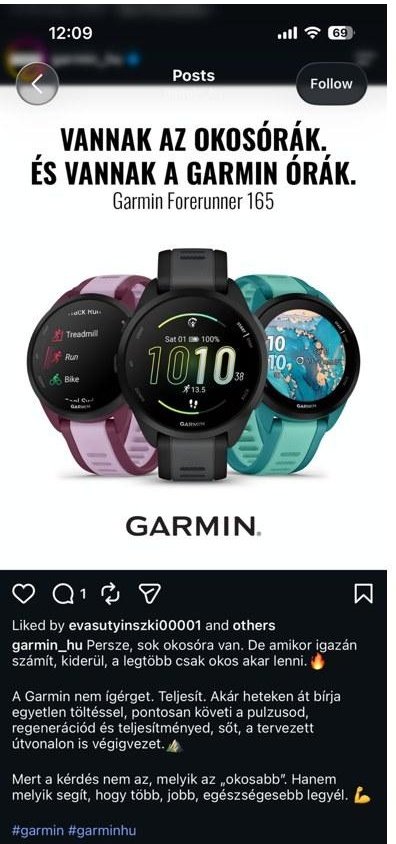
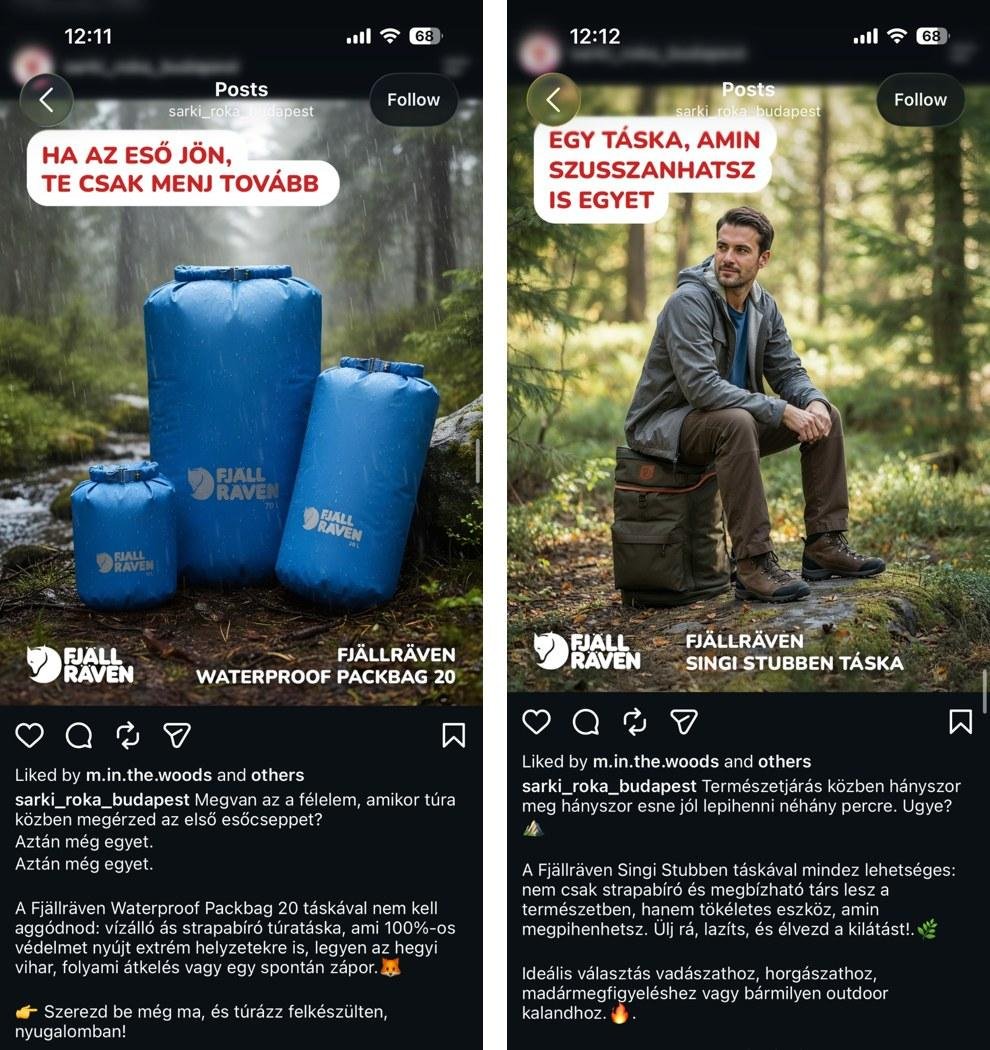
For Garmin, monthly briefs often included particular products that needed additional communication. Rather than treating those products as isolated specifications, I looked for situations in which their capabilities became relevant to the audience.A running watch could become part of a story about training or music. An outdoor watch could connect with a destination or adventure. A fishfinder naturally belonged within fishing culture. A children’s activity tracker could become a story about play, movement and responsibility.

Recurring Formats

From individual posts to recurring formats

[ BRANDED IP ARCHIVE // EPISODIC CASE STUDY 01 ]

Rókajárat

A RECURRING HIKING SERIES FOR SARKI RÓKA

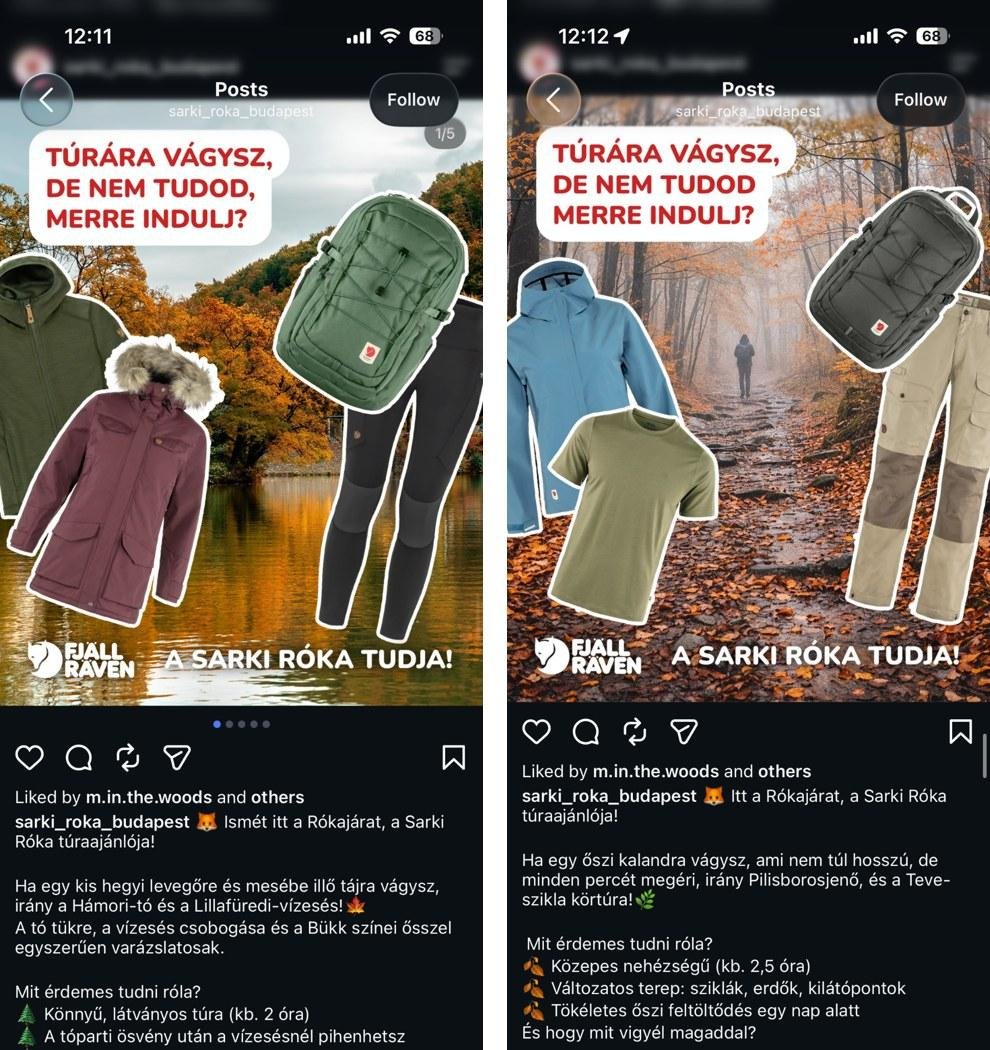
Always-on communication becomes easier to recognise — and easier to sustain — when audiences can return to familiar formats.For Sarki Róka, I created Rókajárat, a recurring content series built around hiking destinations. Instead of beginning with a Fjällräven product, each edition began with somewhere worth going.This allowed the brand to participate in the audience’s interest in outdoor experiences while naturally creating a context for relevant products.


Content Principle

GIVING BEFORE ASKING

Not every interaction with a brand needs to begin with “Buy this product.”Content can first offer something useful, interesting or entertaining. A destination recommendation can still sell outdoor equipment. A piece of training content can still make a sports watch desirable. Seasonal inspiration can still lead naturally to a product.The commercial purpose does not disappear; it becomes part of content that offers something before asking for something in return.

USEFUL — Give the audience information they would value even without the product.

Give the audience information they would value even without the product.

Connect the commercial priority to a context that already matters to them.

Influencers and external talent can extend communication beyond the brand’s own voice when integrated into the idea rather than treated as a separate tactic.

TACTICAL CAMPAIGNS

Making tactical campaigns feel like the brand

The same principle applied when the objective was explicitly promotional.For a Black Friday campaign, a conventional discount visual would have met the basic requirement, but it would have had little relationship with Sarki Róka’s outdoor identity.I proposed a night-sky visual direction. Through collaborative brainstorming, this developed into a meteor-themed execution in which the promotional message became part of the landscape rather than simply sitting on top of it.

MULTI-BRAND THINKING

DIFFERENT BRANDS. ONE PROCESS.

Working across multiple accounts meant learning not to confuse consistency with sameness. Garmin communication could be technical, aspirational or performance-oriented. Sarki Róka could draw from outdoor culture, exploration and practical utility. Other consumer brands required completely different visual and editorial languages.


01 / GARMIN

PERFORMANCE · UTILITY · LIFESTYLE

Product communication could move between training, outdoor adventure, travel, recovery and everyday use — with the creative context changing according to the product and audience.

02 / SARKI RÓKA

OUTDOOR · EXPLORATION · PRACTICAL VALUE

Communication drew from hiking culture, destinations and useful outdoor information, creating space for products within content people could value in its own right.

03 / OTHER CONSUMER BRANDS

DIFFERENT VOICES · SAME PROCESS

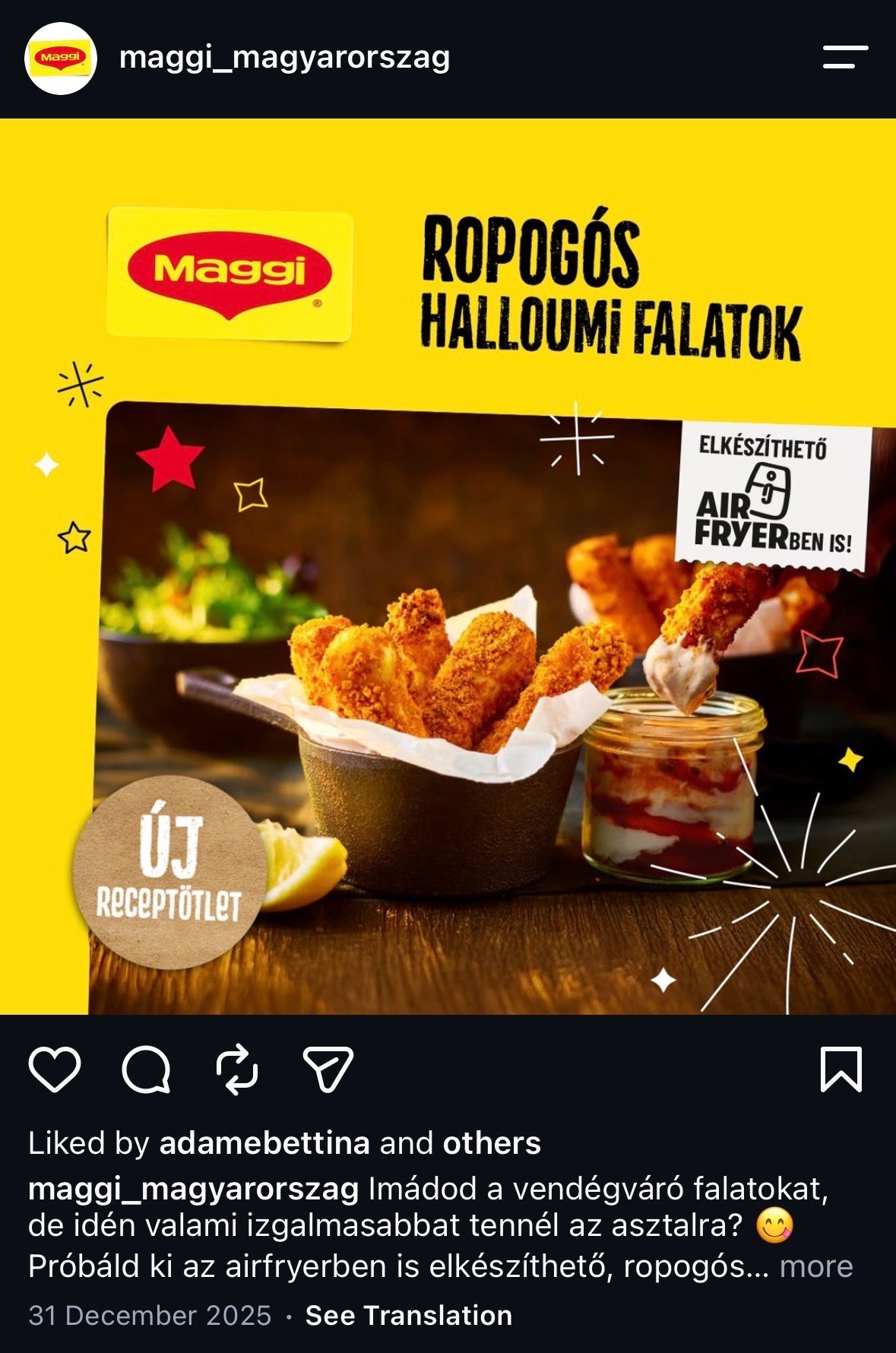
Accounts such as Maggi, Reál and Budapest Airport required their own tone, audience logic and creative language. The method remained consistent even when the expression changed completely.

07 / OUTCOME

From commercial priorities to repeatable creative systems.

During my time at Progressive, I developed a structured methodology that bridged high-level commercial priorities with daily, repeatable creative processes. By removing ad-hoc operational friction, we unlocked scalable output without compromising editorial integrity.


Commercial Thinking

Aligning corporate objectives with premium editorial strategy, ensuring every commercial effort is supported by high-fidelity design.


Editorial Systems

Structuring production blueprints and asset pipelines that scale dynamic storytelling easily, keeping publication quality uniform.


Creative Direction

Converting highly abstract vision into unambiguous briefs that align design partners, copywriters, and content editors perfectly.


Collaboration

Creating fluid networks between multi-disciplinary creators, eliminating operational friction points, and prioritizing team workflow health.

08 / WHAT I TOOK FROM IT

Good social content finds the overlap between what a business needs to say and what an audience might actually care about.

Commercial priorities are unavoidable, but ignoring the human element of why people open an app in the first place guarantees invisible content. By treating social channels as relationships rather than broadcast platforms, we design editorial structures where utility, entertainment, and commercial priorities live together seamlessly.

The sweet spot is never accidental. It requires systematic testing, creative discipline, and the humility to listen to what the community actually tells us. True scale is reached when your audience becomes the primary distribution mechanism, sharing the idea simply because it adds value to their digital identity.

THE FRAMEWORK

COMMERCIAL PRIORITY → BRAND → AUDIENCE → IDEA → REPEATABLE FORMAT

06 / COLLABORATION

Working with Creatives & Talent

Ideas only become useful when they can be translated into something other people can execute. I worked within an agency structure alongside account managers, copywriters and graphic designers, turning commercial requirements into content and creative directions before developing them collaboratively into finished assets.


Copywriters

Translating the central concept and communication objective into finished platform-appropriate copy.


Graphic Designers

Turning creative direction and visual references into finished campaign assets.


Account Management

Keeping concepts aligned with client priorities, feedback and commercial requirements.


Influencers & Talent

Translating campaign ideas into audience-facing content and collaborations.

RETURN TO INDEX

BACK TO WORK →